
Kathakali is the classical dance-drama of Kerala, South India, which dates from the 17th century 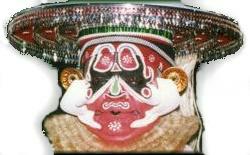 and is rooted in Hindu mythology. Kathakali has a unique combination of literature, music, painting, acting and dance. In the following pages we have placed photographs and videos of Kathakali performances and songs
by famous Kathakali singers.
and is rooted in Hindu mythology. Kathakali has a unique combination of literature, music, painting, acting and dance. In the following pages we have placed photographs and videos of Kathakali performances and songs
by famous Kathakali singers.
and is rooted in Hindu mythology. Kathakali has a unique combination of literature, music, painting, acting and dance. In the following pages we have placed photographs and videos of Kathakali performances and songs
by famous Kathakali singers. Audio Entertainment with Kathakali Songs, Kathakali Videos..
Pictures of leading Kathakali artists in great performances are placed in the site. Some of them are very rare photographs of old Kathakali legents.
Pictures of Kathakali Performances
Small video clippings of Kathakali are available at the site. The videos compressed in Real format, are slightly low in quality.
Video Clippings of Kathakali
More details about Kathakali like Costumes, Make-up, Music, Dance, Major Kathakali Centres etc. are at
About Kathakali
And a rare collection of Navarasas (facial expressions of nine different moods) by renowned Kathakali actor
Kalamandalam Krishnan Nair
Navarasam
by Kalamandalam Krishnan Nair
Kathakali follows "Hasthalakshana Deepika", the book of hand gestures, for Mudras
(hand gestures).
Mudras
in Kathakali
Essential Props, Rituals, Characters and their attire, Cholliyattam, Ilakiyattam etc
Props, Rituals and Customs of Kathakali
Audio Entertainment with Kathakali Songs, Kathakali Videos..
Pictures of leading Kathakali artists in great performances are placed in the site. Some of them are very rare photographs of old Kathakali legents.
Pictures of Kathakali Performances
Small video clippings of Kathakali are available at the site. The videos compressed in Real format, are slightly low in quality.
Video Clippings of Kathakali
More details about Kathakali like Costumes, Make-up, Music, Dance, Major Kathakali Centres etc. are at
About Kathakali
And a rare collection of Navarasas (facial expressions of nine different moods) by renowned Kathakali actor
Kalamandalam Krishnan Nair
Navarasam
by Kalamandalam Krishnan Nair
Kathakali follows "Hasthalakshana Deepika", the book of hand gestures, for Mudras
(hand gestures).
Mudras
in Kathakali
Essential Props, Rituals, Characters and their attire, Cholliyattam, Ilakiyattam etc
Props, Rituals and Customs of Kathakali
As listed below, we are building a database of Kathakali artists. One webpage will be made free for each artist and linked in this page along with below list of artists. If you are a Kathakali artist or if you wish to recommend any artist, you can send the following materials to our email ID  . Valid submissions will be scrutinized, edited and placed in the site within 3 weeks. . Valid submissions will be scrutinized, edited and placed in the site within 3 weeks.
|
|
|


|
|
 |
|
|
|
|
|
|
|
|
|
| » Disclaimer |